
Lots of interesting abstracts and cases were submitted for TCTAP 2026. Below are the accepted ones after a thorough review by our official reviewers. Don’t miss the opportunity to expand your knowledge!
CASE20251105_003
Recurrent Acute Coronary Syndrome Treated in Different Ways
By Liang-Ting Chiang
Presenter
Liang-Ting Chiang
Authors
Liang-Ting Chiang1
Affiliation
Fu Jen Catholic University Hospital, Taiwan1
View Study Report
CASE20251105_003
Coronary - ACS/AMI
Recurrent Acute Coronary Syndrome Treated in Different Ways
Liang-Ting Chiang1
Fu Jen Catholic University Hospital, Taiwan1
Clinical Information
Relevant Clinical History and Physical Exam
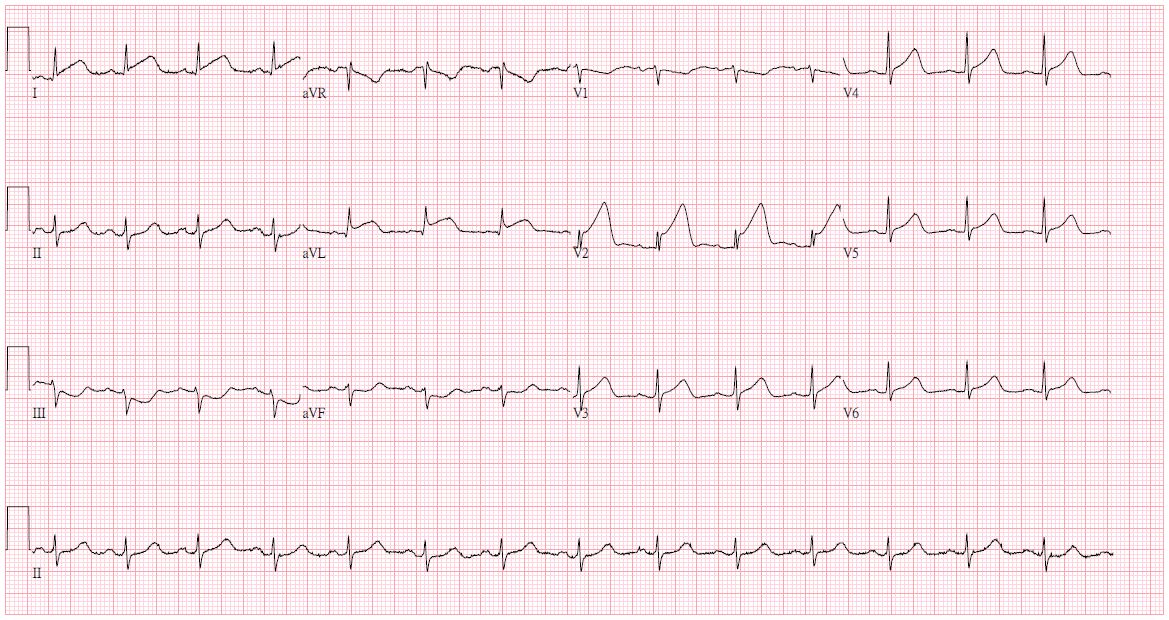
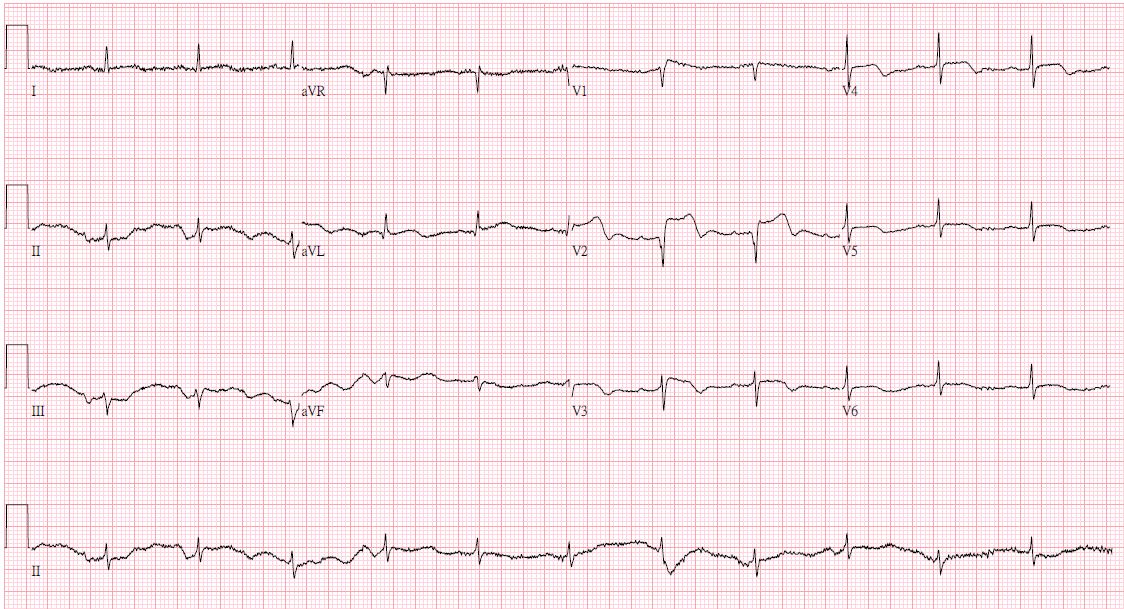
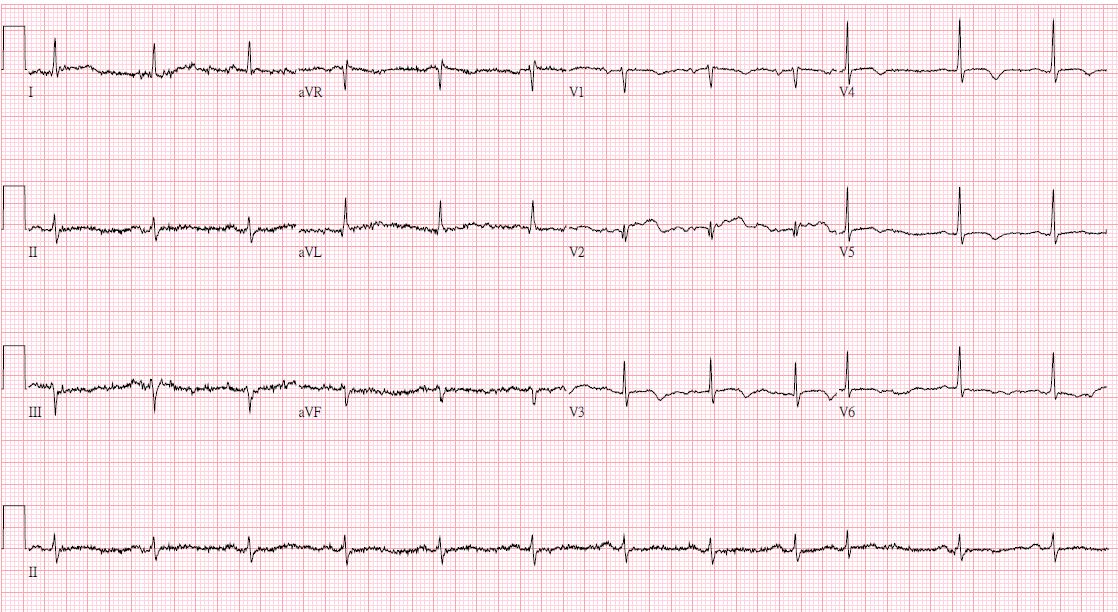
This 69-year-old non-smoking woman had right breast cancer, who received surgery, radiotherapy, and hormone therapy (Letrozole) by breast surgeon. She also has hypertension, without DM or hyperlipidemia. She suffered from STEMI with acute chest pain in Dec, 2022, that PCI was performed. Letrozole was stopped for a possible relationship with the AMI, although it was 17 months since the hormonetherapy started. Letrozole was rechallenged in July, 2023, and another NSTEMI took place in Oct, 2023.
Relevant Test Results Prior to Catheterization
The CPK peaked to be 1250 IU/L after 1stPCI, with CK-MB 174.2 IU/L and hs-Troponin I 41.719 ng/mL. The lab showed no DM (HbA1c 5.5%), hyperlipidemia (LDL 64, HDL 50, TG 61 mg/dL), or CKD (Cre 0.7 mg/dL). The echocardiography showed mildly impaired LV contractility (LVEF 59.5% by Teich, 46.1% by A-L) with hypokinesia over LAD territory. The ECG showed new ischemia after 1st PCI later, before 2nd PCI.
 ECHO_STEMI_01.avi
ECHO_STEMI_02.avi
ECHO_STEMI_01.avi ECHO_STEMI_02.aviRelevant Catheterization Findings
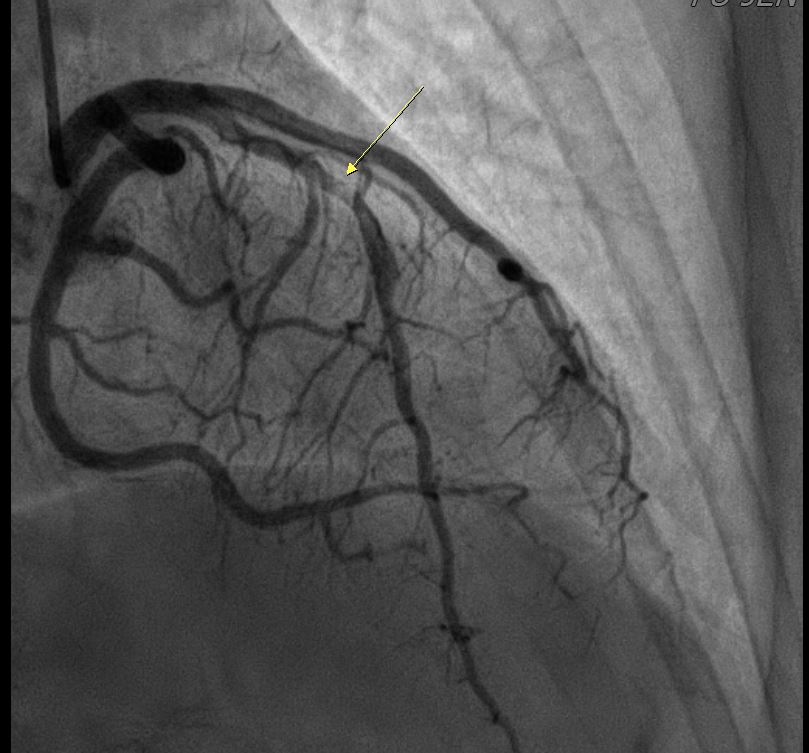
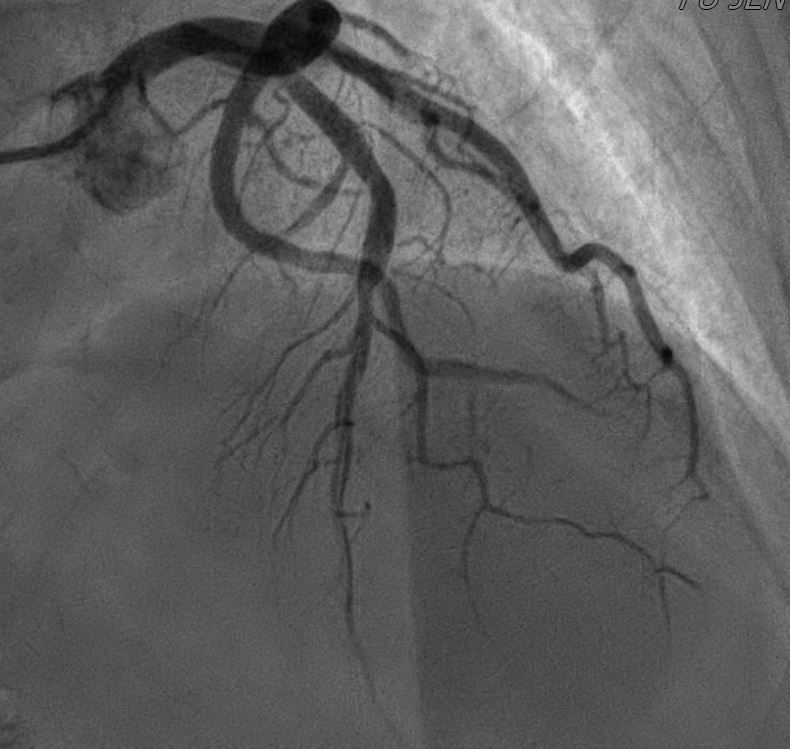
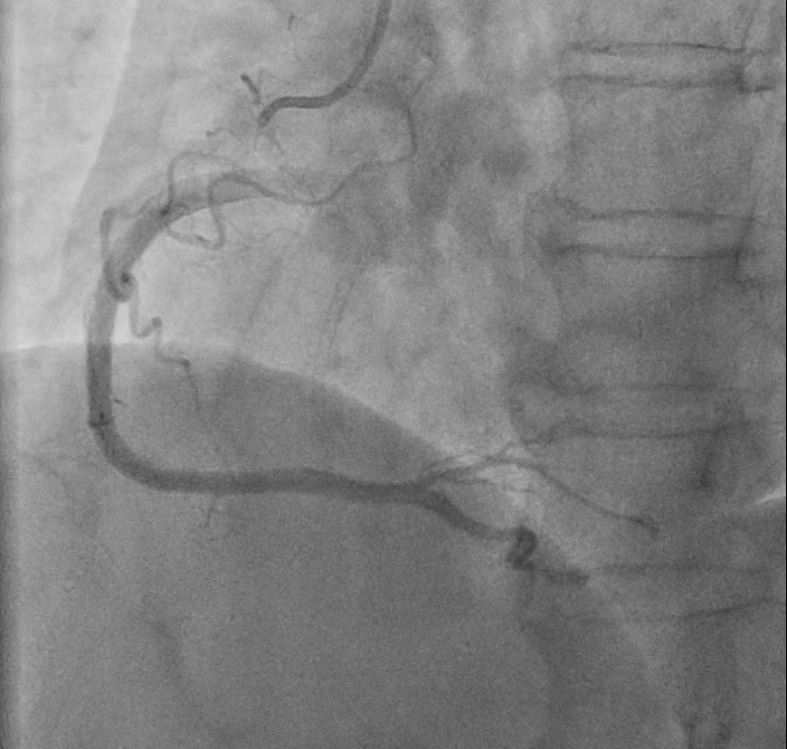
In the STEMI episode, in Dec, 2022, the LCX and RCA were patent. There were multiple odd stenotic lesions with in mid LAD, with some haziness suggested limited contrast filing.
10.avi
210.avi
202310RCA.avi
10.avi 210.avi 202310RCA.aviInterventional Management
Procedural Step
1st PCI for STEMI
IVUS-A0.avi
2024LAD.avi
2024RCA.avi
IVUS-A0.avi 2024LAD.avi 2024RCA.aviCase Summary
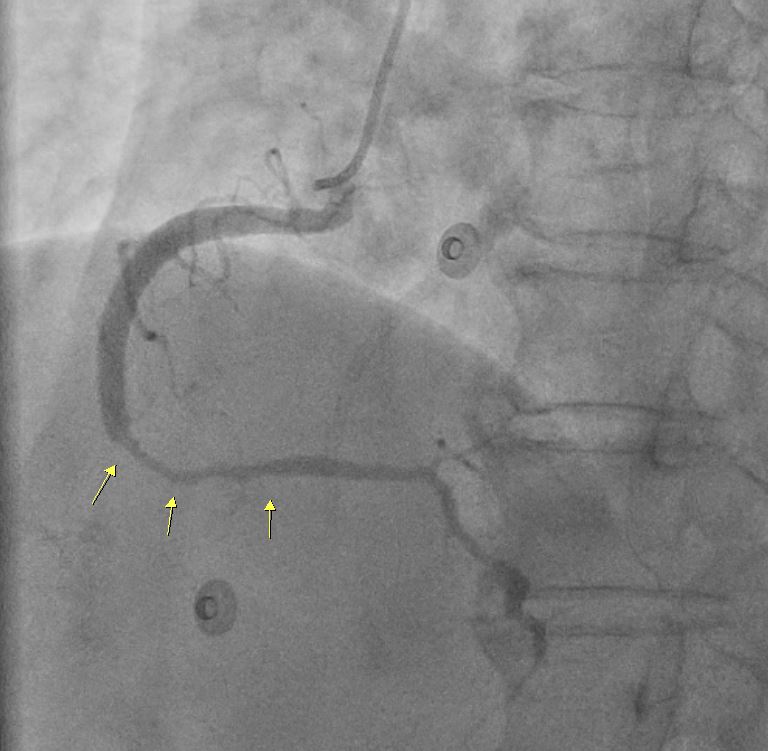
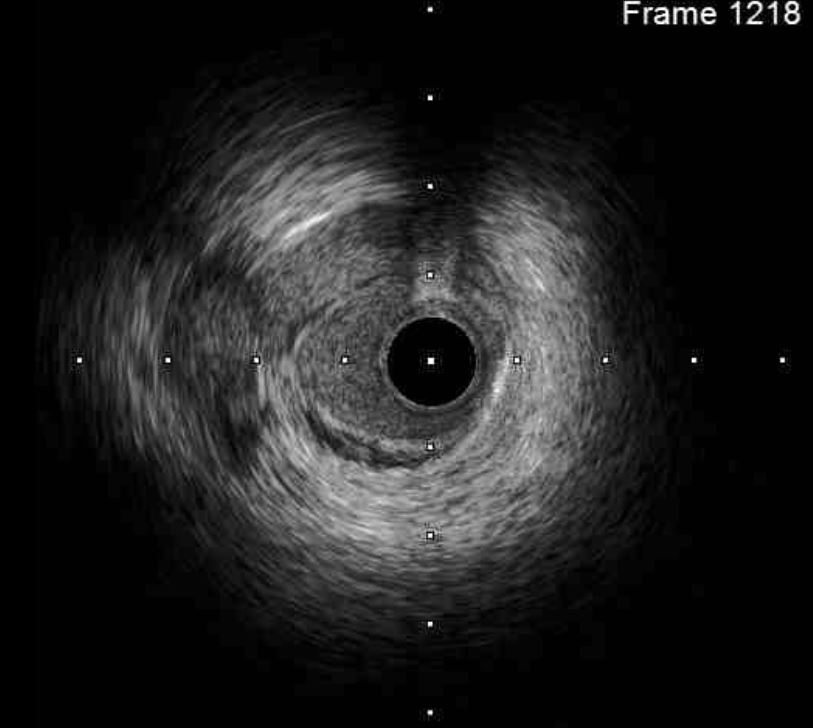
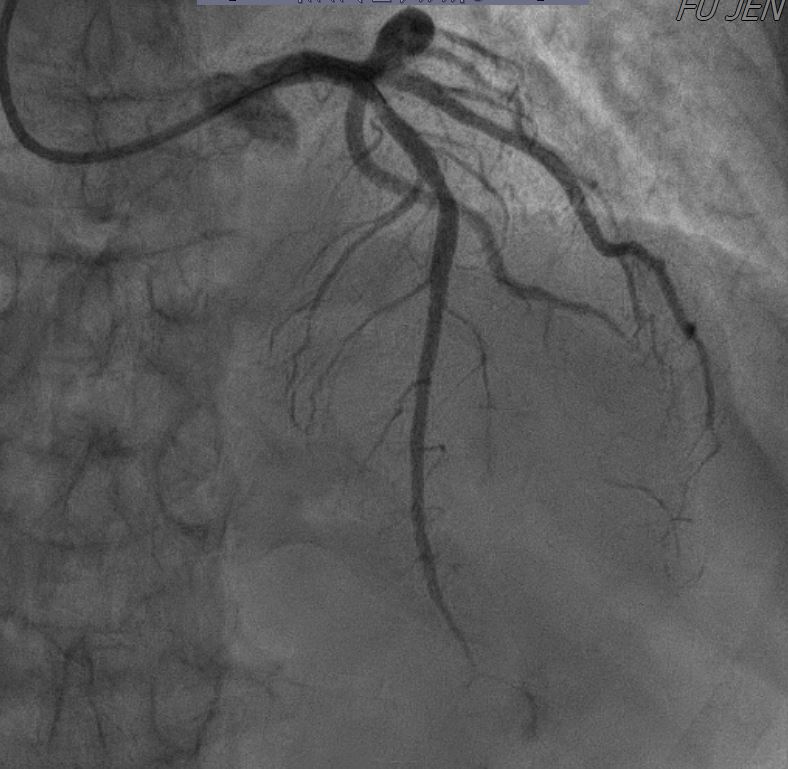
We demonstrated a patient with little risk of CAD, who suffered from STEMI and NSTEMI. Spontaneous coronary artery dissection(SCAD) in LAD was noted during 1st ACS episode, which was treated with scoring balloon with unsatisfactory result, leading to long-stenting. Hormone therapy was suspected as the trigger factor of her SCAD, which was reported before. The surgeon re-challenged the hormone therapy later, and SCAD took place again in RCA three months later, which was left alone considering the accepted blood flow.